
Bespoke software, web platforms and mobile apps
Build the system your business has been
working around.
We turn spreadsheet-heavy processes, disconnected tools and product ideas into software your team and customers actually use.
Bring the problem and we will help work out what to build.
30-minute call, online. No technical brief needed.
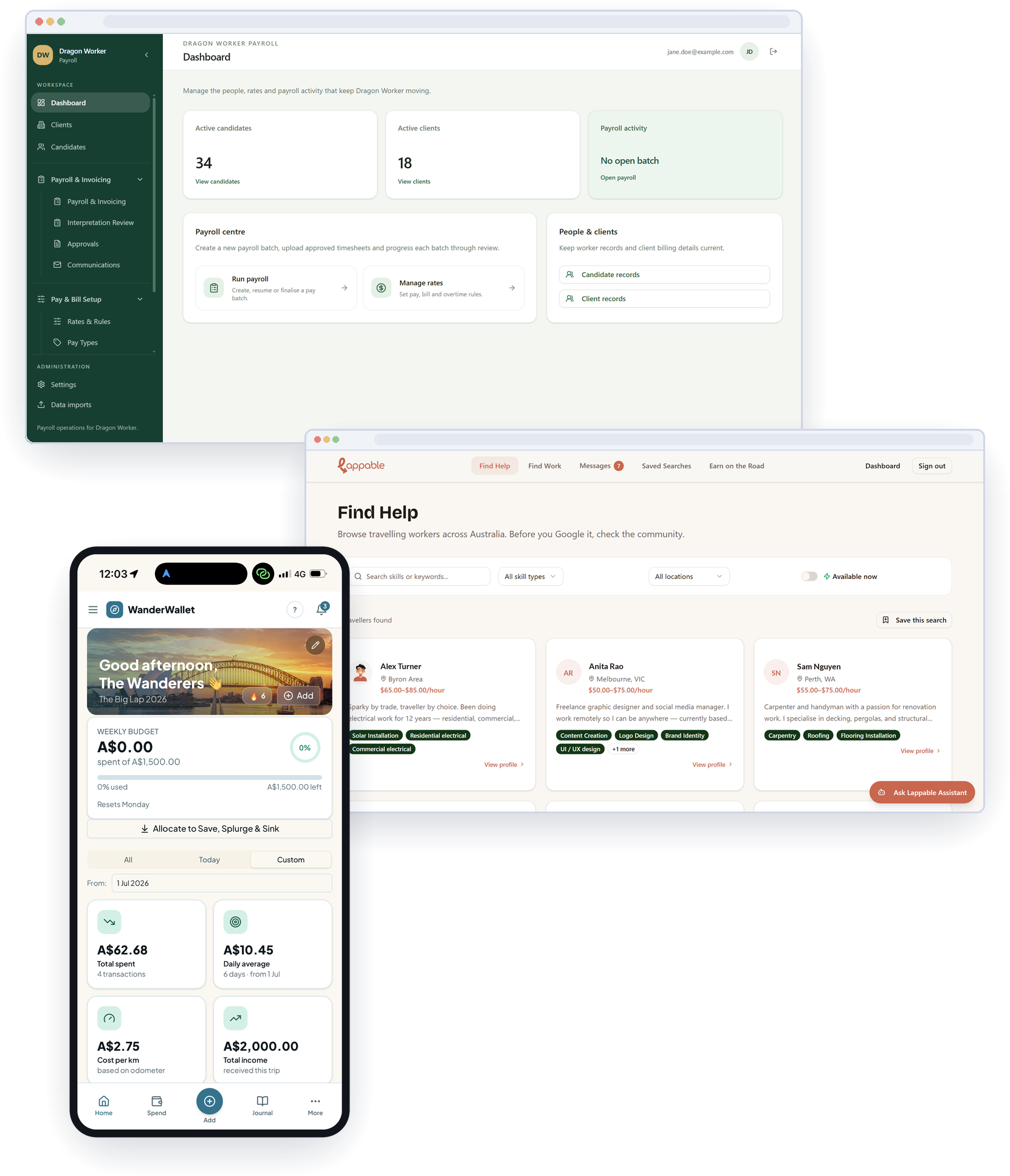
WHAT WE BUILD
Apps, platforms and business systems.
WHERE WE START
The problem, not a spec.
HOW WE BUILD
In stages you can see working.
BUILT AROUND
Your business, not
someone else's workflow.
01 / THE PROBLEM
Does this sound familiar?
If a couple of these ring true, a short call is usually worth it.
01
One spreadsheet runs the business, and only one person really understands it.
02
Your team types the same information into three different systems.
03
Work stalls at hand-offs because nobody can see where it is.
04
Customers wait days for a quote or an answer that should take minutes.
05
You find out about a cash problem once it has already arrived.
06
You have a product idea, and nothing on the market does it properly.
02 / WHAT WE BUILD
Software built around
how you work.
Most projects fall into one of these four. Plenty sit across two.
01
Customer-Facing Apps
Apps your customers log into to learn, plan, book or keep track of something.
Example: Roamschool
03
Connected Systems
The software you already use, joined up and automated. We build the connections, the workflows and the AI-assisted steps so your team stops doing the same thing twice.
Example: SIIVANA
02
Internal Systems
Tools your team works in all day, with the workflow and the numbers in one place.
Example: Dragon Worker
04
Web Platforms
Marketplaces, portals and products that need logins, payments and content working together.
Example: Lappable
03 / THE WORK
Things we've actually built.
Real products and systems, each one started with a real problem.

01 • CUSTOMER-FACING APP
Roamschool
Built for families learning while they travel, Roamschool brings curriculum-aligned lessons, offline learning and parent progress tracking into one app.
02 • CUSTOMER-FACING APP
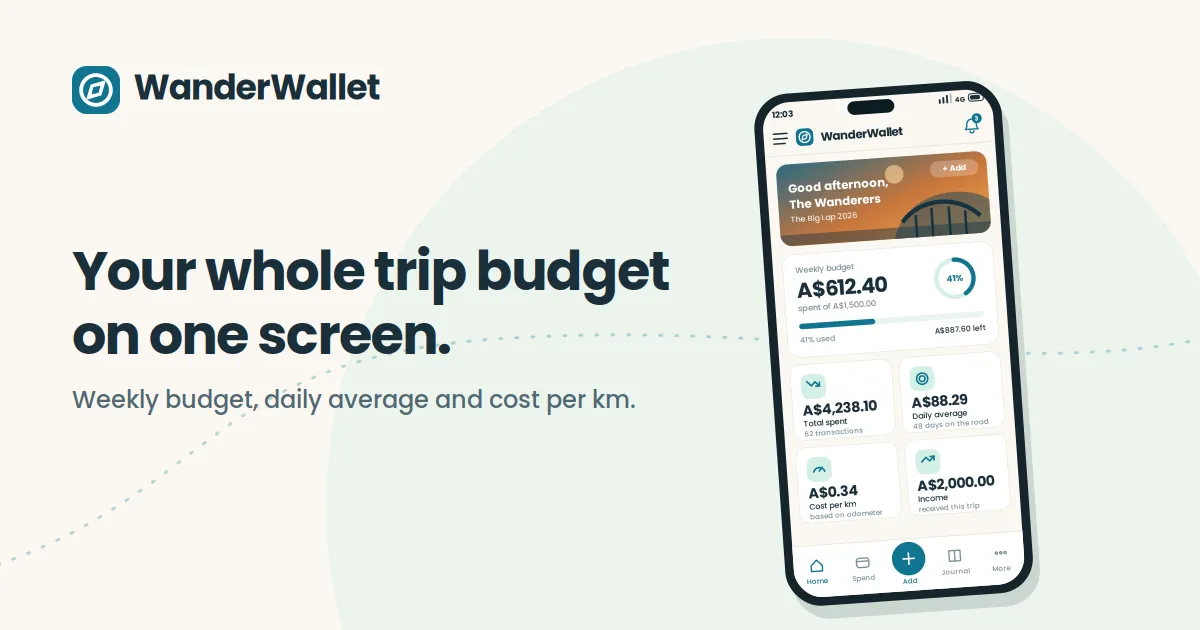
WanderWallet
Trip planning used to mean jumping between maps, bookings, budgets and notes. WanderWallet brings the whole journey together in one place.
03 • INTERNAL SYSTEMS
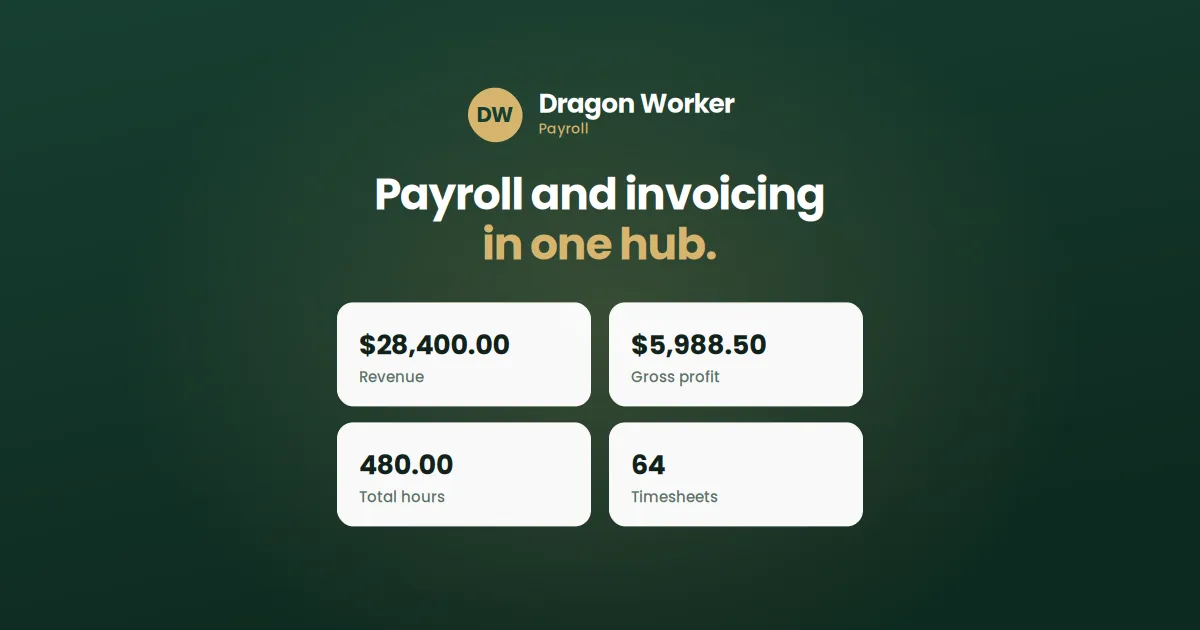
Dragon Worker
Payroll Hub
Pay and invoice runs relied on spreadsheets and a platform that never quite fit. Now timesheets, rates and runs live in one hub.
04
Lappable
Supporting the travelling community across Australia. Find work, find help, keep moving.
WEB PLATFORM
05
Financial Clarity Dashboards
Custom executive analytics reporting and forecasting tool.
INTERNAL TOOL
04 / WHY BESPOKE
Stop stitching together tools that
almost fit.
You bought the tool that almost fit, bolted three of them together, or built the spreadsheet only you know how to update. At some point the workaround costs more than building the real thing.
BEFORE: THE WORKAROUND
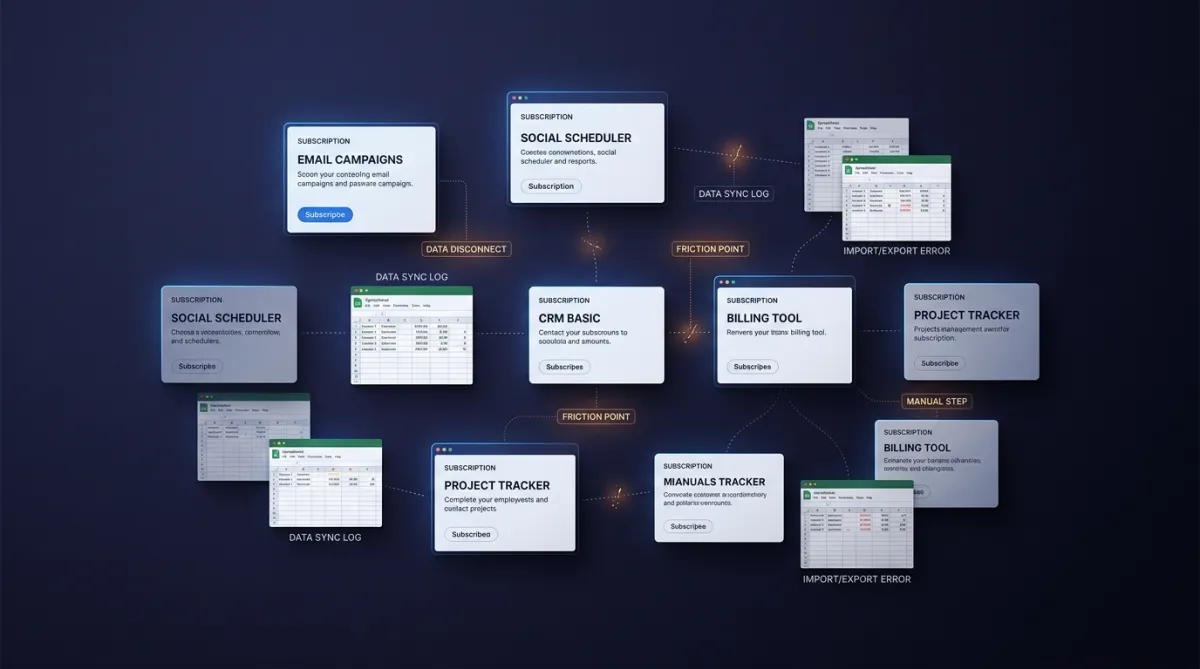
Information retyped between tools, and a process that lives in one person's head.
AFTER: A SYSTEM BUILT FOR THE JOB
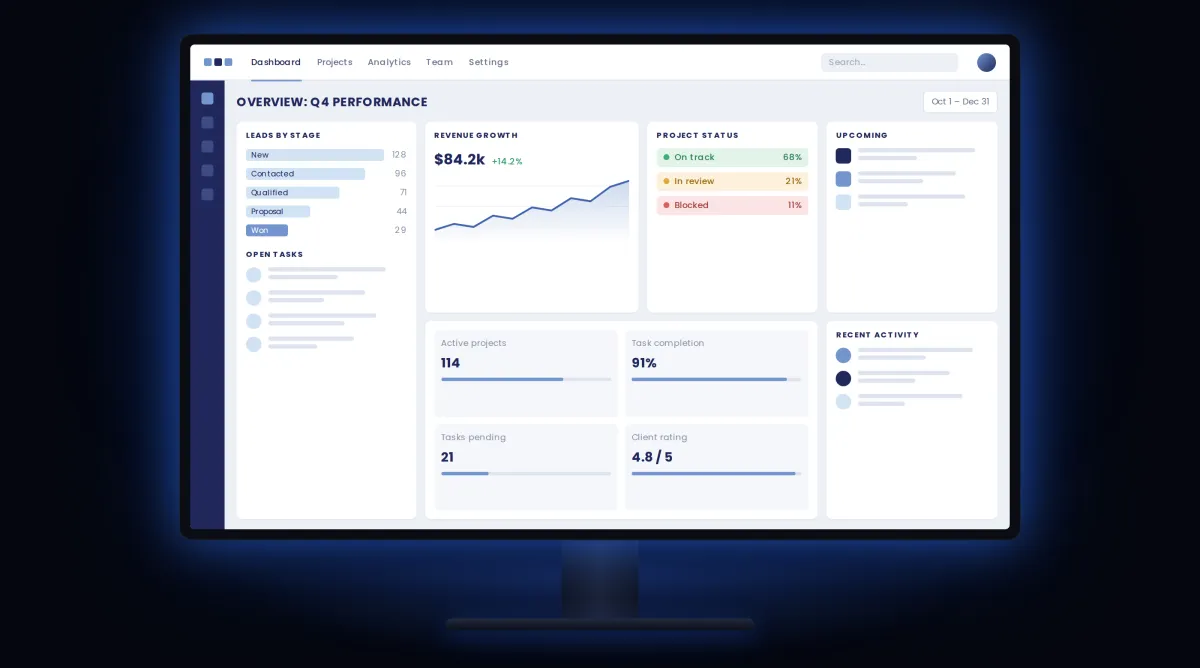
One place to work, connected to the tools worth keeping.
01
Connect what you have
Keep the tools that work and fix the gaps between them
02
Replace the workaround
Swap the spreadsheet or patchwork for something the whole team can use.
03
Build what does not exist yet
A new app, portal or product, built around a real customer problem.
05 / HOW WE BUILD
Built in stages you can see.
You see it working early, and nothing big is locked in before you have had your say.
Stage 1
Understand
We look at the problem, the current workaround and who it affects. You do not need a spec.
Stage 2
Plan
A plain-English plan with scope, priorities and costs before anything is built.
Stage 3
Build in stages
You see working software early and shape it as it comes together.
Stage 4
Launch and improve
We get it live, help your team settle in and keep improving it as you use it.
Stage 1
Understand
We look at the problem, the current workaround and who it affects. You do not need a spec.
Stage 2
Plan
A plain-English plan with scope, priorities and costs before anything is built.
Stage 3
Build in stages
You see working software early and shape it as it comes together.
Stage 4
Launch and improve
We get it live, help your team settle in and keep improving it as you use it.
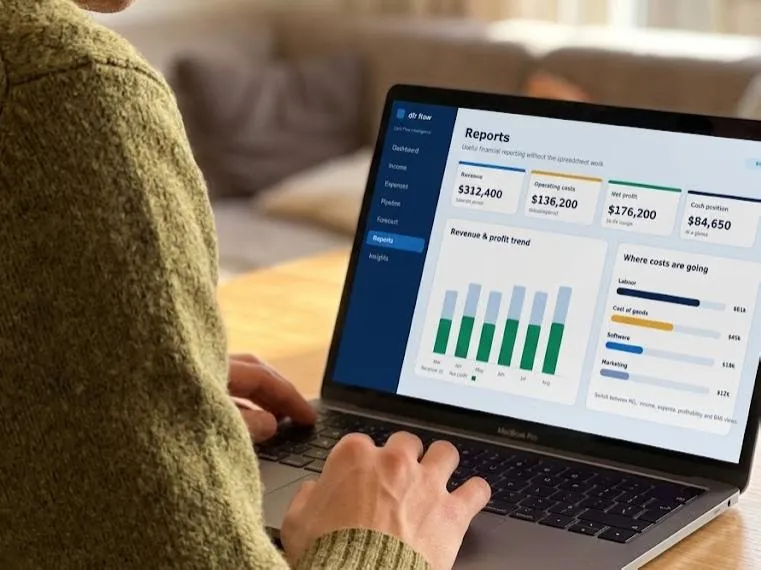
FINANCIAL CLARITY DASHBOARDS
Xero tells you what happened. Know what happens next.
A tailored, Xero-connected dashboard that shows where cash, revenue and pipeline are heading, so decisions get made before they turn urgent.
06 / Questions
Before you book.
The questions owners usually ask first.
01 I only have a frustration, not a spec. Is that enough?
Yes. Most projects start that way. Walk us through where the work gets stuck, or where the tool you are using falls short. The first call is about the problem, how it works today and who it affects. The plan comes after that.
02 Will it work with our existing systems?
Usually. Most business software can be connected, and one of the first things we do is check what yours allows. Where something will not connect properly we will say so early, because that changes what is worth building. Keeping the tools that already work is almost always cheaper than replacing them.
03 How do we manage cost and scope?
We agree the scope and the cost of a stage before that stage starts, so you are approving a number you have already seen rather than finding out at the end. If priorities change part way through, that changes the next stage rather than the whole project. Some builds are complicated enough to be worth scoping properly first, and we will tell you if yours is one of them.
04 Who owns the software once it is built?
What we build for you is yours, and the agreement sets that out in writing before the build starts. Most systems also run on third party platforms and licensed components, and those keep their own terms. So rather than one blanket answer, the agreement says exactly what transfers to you and what is licensed.
05 What happens after launch?
You get handover documentation and time with your team so they can use the system properly. After that it is your call. Some clients want us involved on an ongoing basis, some want us only when something needs changing, and some take it in house. We agree which of those it is before launch rather than after.
01 I only have a frustration, not a spec. Is that enough?
Yes. Most projects start that way. Walk us through where the work gets stuck, or where the tool you are using falls short. The first call is about the problem, how it works today and who it affects. The plan comes after that.
02 Will it work with our existing systems?
Usually. Most business software can be connected, and one of the first things we do is check what yours allows. Where something will not connect properly we will say so early, because that changes what is worth building. Keeping the tools that already work is almost always cheaper than replacing them.
03 How do we manage cost and scope?
We agree the scope and the cost of a stage before that stage starts, so you are approving a number you have already seen rather than finding out at the end. If priorities change part way through, that changes the next stage rather than the whole project. Some builds are complicated enough to be worth scoping properly first, and we will tell you if yours is one of them.
04 Who owns the software once it is built?
What we build for you is yours, and the agreement sets that out in writing before the build starts. Most systems also run on third party platforms and licensed components, and those keep their own terms. So rather than one blanket answer, the agreement says exactly what transfers to you and what is licensed.
05 What happens after launch?
You get handover documentation and time with your team so they can use the system properly. After that it is your call. Some clients want us involved on an ongoing basis, some want us only when something needs changing, and some take it in house. We agree which of those it is before launch rather than after.
NEXT STEPS
Bring the problem. We will work out whether a bespoke build is the right next step.
A 30-minute conversation about what is happening now and what a better system could look like. You do not need a technical brief.
A 30-minute conversation about what is happening now and what a better system could look like. You do not need a technical brief.

COMPANY
LEGAL
FOLLOW US


Copyright 2026. Designed For Results. All Rights Reserved.